Deaf children need more accessible learning
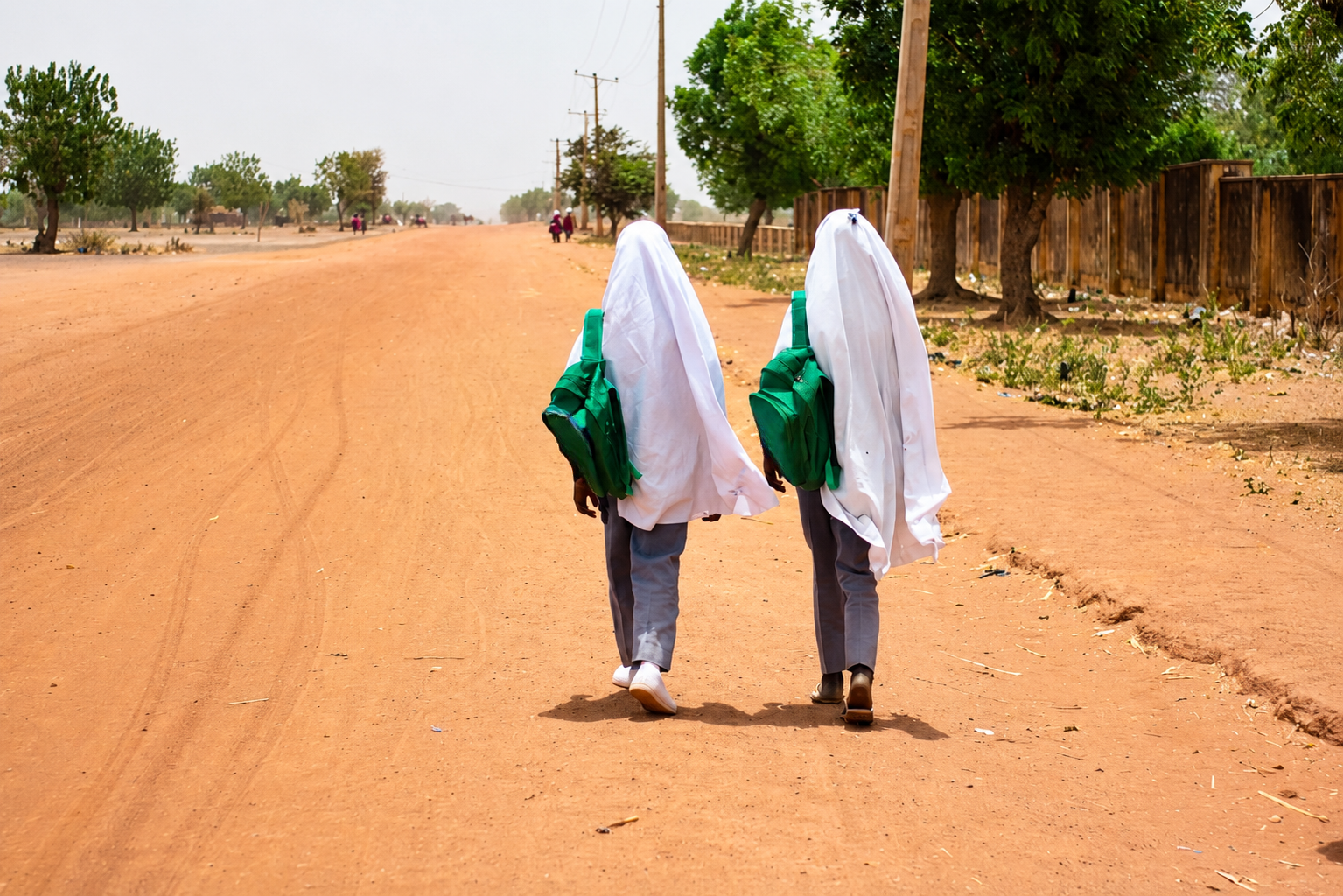
Before sunrise, Hajara Abubakar and Ramatu Mustapha begin their walk from Koda village to their school in Ingawa town. The 5km journey takes them along a dusty red road that stretches between thick clumps of trees. With their schoolbags slung over their shoulders, they walk in silence. Because they are both Deaf, they cannot hear the roar of speeding vehicles or motorcycles coming up behind them. During the winter season, they wear sweaters under their white waist-long hijabs, but the chilling harmattan wind blowing from the bush – like an air conditioner set to full blast – pierces through them, leaving them trembling.
Hajara, 15, describes her daily commute as tiring and sometimes frightening. “There was a time when a man tried to chase Ramatu and me on our way home. It almost discouraged me from going back to school, but my curiosity to learn kept me going,” she says.
For years, there was only one Deaf school in Katsina state of Nigeria – the Government School for the Deaf, in the southern region of Malumfashi. This is where almost all of Katsina’s Deaf population – including me – obtained a formal education. As a residential school, pupils do not face a long and difficult daily journey.
But now, with the rising cost of living and insecurity in Malumfashi – such as kidnapping and killing – parents in other regions are increasingly reluctant to send their children there. A teacher told me that student enrolment, which usually reached 600, has plummeted to just 300.
These barriers motivated me to advocate for the establishment of Dambo Tukur School for the Deaf, Ingawa, in 2021, to provide access to education for children whose parents couldn’t afford to send them to residential school in Malumfashi.
Maryam Ibrahim is one of those adversely affected by the situation in Katsina. When she was a child, her parents couldn’t send her to the residential school because they were afraid of kidnappings. Instead, she stayed at home, helping her family with domestic chores. She struggled to express herself, which made it nearly impossible for her to communicate and build relationships with other people.
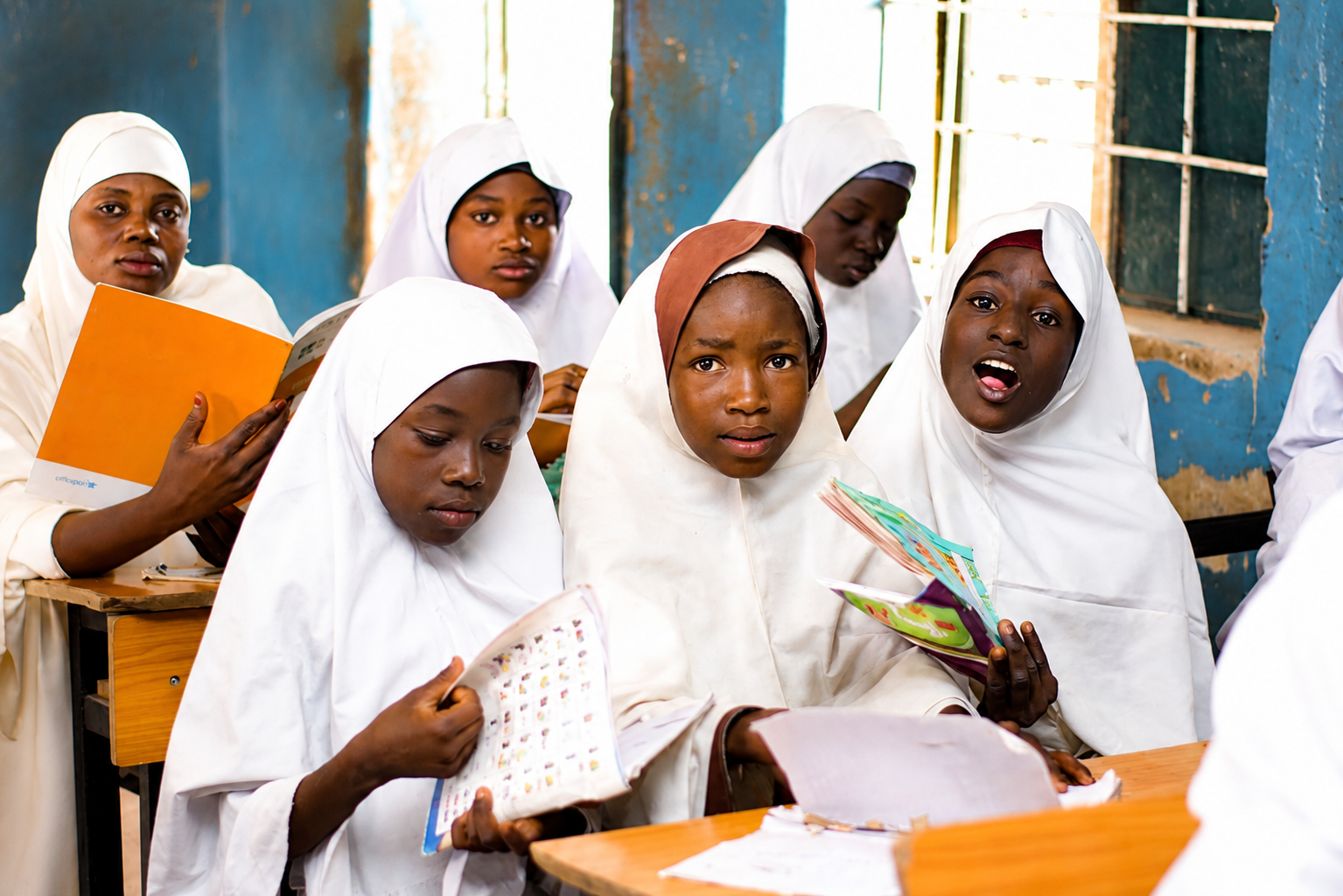
When Dambo Tukur School for the Deaf, Ingawa, was established, Maryam was finally able to begin her education. She is in Primary 3 now, learning alongside much younger children.
“I wish I had started school earlier,” she says quietly. “I want to become a teacher, but it feels impossible now because I am 30 years old. It will take me another 12 years just to finish secondary school and college.”
There are approximately 7.7 million Deaf people in Nigeria, according to the Joint National Association of Persons with Disabilities (JONAPWD). However, the infrastructure needed to support them remains critically inadequate. In Katsina state, Deaf children in rural communities face what some describe as an educational desert. Recently, the state has tried to address this gap by opening Deaf schools in Daura and Kankara. However, these are located in towns, despite disability being more prevalent in rural areas.
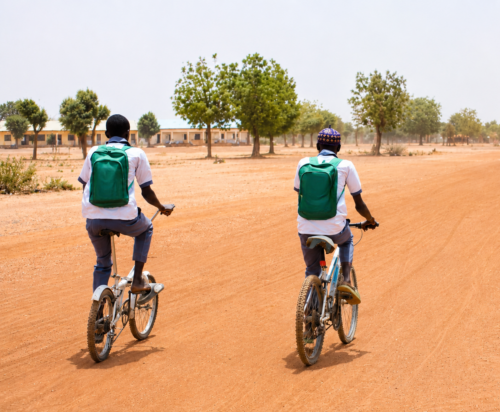
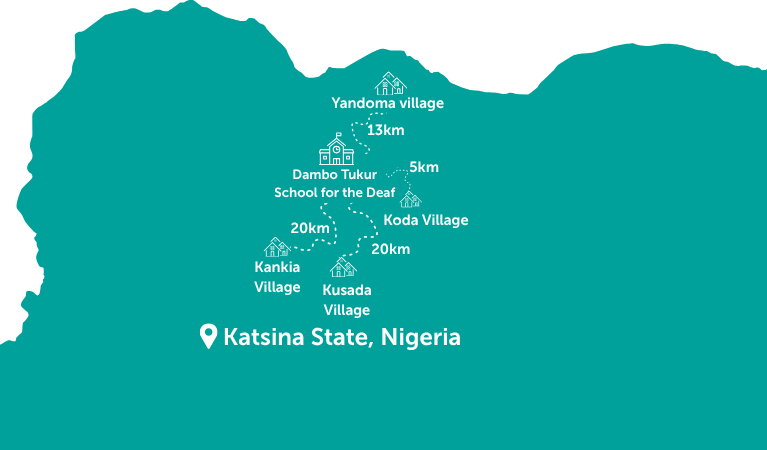
Nazifi Usman, 18, commutes daily to Dambo Tukur School for the Deaf on his bicycle all the way from Yandoma village, 13km away. By the time he arrives, his energy is completely drained. He often fights to stay awake during lessons.
“Nazifi commutes daily to school on his bicycle from 13km away. By the time he arrives, his energy is completely drained”
Aliyu Rabi’u, the assistant headteacher at the school, describes these rural students as exceptionally hardworking and resilient. Some come to school on foot, others by bicycle, while those living in Kankia and Kusada – more than 20km away – rely on commercial buses.
“This long journey erodes the students’ cognitive stamina and attendance,” Aliyu says. “Many of them come to school only two or three times a week.”
Aliyu adds that, while the day-school model has great impact, it faces structural limitations. Deaf children need immersive, peer interactions to overcome their delayed language development. In addition, Deaf children cannot enrol in mainstream schools due to the lack of trained special education teachers or sign-language interpreters. A residential Deaf school provides a centralised solution that solves these logistical barriers while addressing critical development needs.
“Deaf children need immersive, peer interactions to overcome their delayed language development”
Efforts to expand this solution are underway. The chairman of Ingawa Local Government Area, Hon. Abubakar Idris 02, purchased a plot of land in November 2025 to construct a residential Deaf school.
This would serve more than 200 students throughout Katsina’s northern region. “To improve access to safe and inclusive education in Katsina there is a need for more residential Deaf schools in all regions,” says Malam Sagir Garba, a lecturer in the Special Education Department at Umar Musa Yar’adua University, Katsina, Nigeria. He adds that teachers in mainstream schools should be trained on special education so that Deaf children can enrol there too.
As for Hajara, although she is just in Primary 3, she has already mapped out her future. “I want to become a teacher and help Deaf children from rural areas get quality education,” she says.
“I want to become a teacher and help Deaf children from rural areas get quality education”
Please note: some images on this page have had minor alterations.