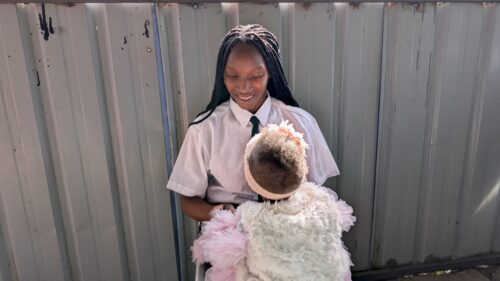
A Kenyan model for teenage mothers returning to school
On a quiet morning at Greenland Girls School in Kajiado County, overlooking the Oloolaiser hills, teenage mothers move between classrooms and childcare duties, a routine blending two worlds rarely seen together in Kenyan schools. In one compound, infants nap and play in a supervised space while their mothers attend lessons a few metres away.
In 2024 there were more than 241,000 recorded pregnancies among girls aged 10 to 19. The Ministry of Education’s re-entry policy affirms the right for adolescent mothers to return to school after childbirth. However, stigma, financial strain, childcare responsibilities and fear of discrimination continue to push many teenage mothers out of education permanently.
In 2015 Mr Samuel Mukilya and Ms Purity Gikunda founded Greenland Girls School in Kenya’s Kajiado County to fill the gap between policy and reality. The boarding school enables around 300 teenage mothers to resume their education while their children receive on-site care.
“The girls here wake up and go to class, and caregivers prepare the children and take them to the childcare centre,” says Paul Mukilya, Greenland’s manager. “They go through lessons without interruptions and can still see and feed the babies during breaks.”
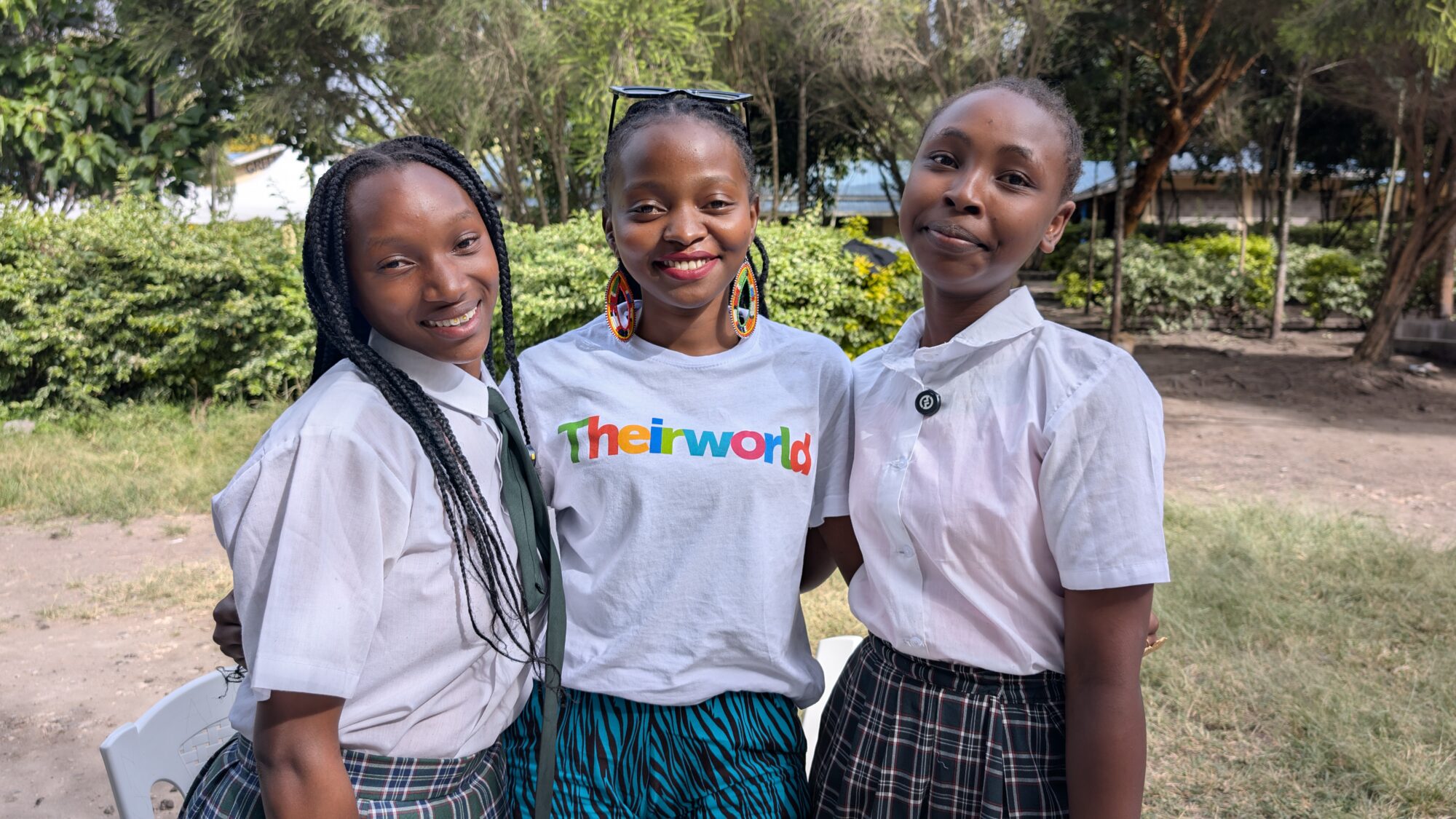
He shows me the gardening project created by the mothers – a symbolic signifier of what’s possible when support replaces stigma. Sitting under a tree is 18-year-old Annlee, who has a 15-month-old daughter, Brianna. Annlee recalls growing up in Kibera, an urban slum in Nairobi. When she became pregnant, people mocked her and said she had no future. She came to the school on a scholarship.
“When I complete my studies, I will have papers to show when looking for a job,” Annlee says. “Seeing Brianna daily motivates me, because there is a life I wouldn’t want her to experience. I want her to say that her mum is an educated woman.”
For some students, the school not only offers academic continuity but also provides safety and stability. “Some of the girls here have been rescued from marriages to men almost thrice their age,” says Paul. “For some, the conditions out there are so hostile that during school breaks we take them to a rescue centre until school resumes.”
“Seeing my baby motivates me – I want her to say that her mum is an educated woman”
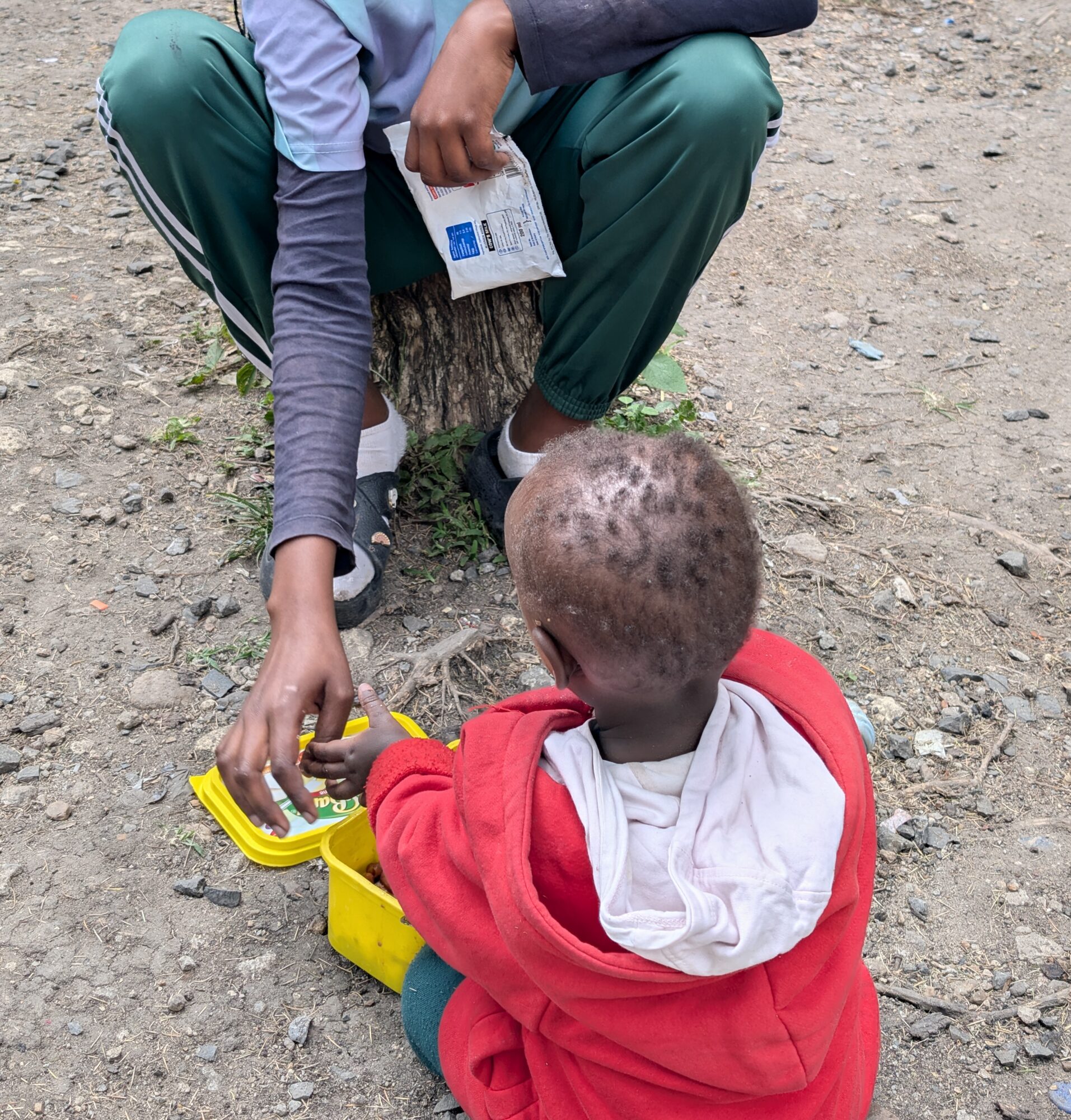
Greenland Girls School also addresses the most persistent challenge for teenage mothers: childcare. “I look after these children with so much love… teach them to speak and walk as if they were my own,” says Poscha, one of the onsite caregivers. “I would love to see their mothers focus in class, finish school and achieve their dreams.” The school also offers early childhood education once the children reach school age and ensures they get immunisations and routine check-ups.
Kenya’s efforts reflect a broader continental commitment, but policy can only do so much. Carol, who had her baby at 14, says: “When I went back to school, my classmates made fun of me. Even my friends distanced themselves.” She left school two months later and took up casual jobs to support her child.
As Teresa Omondi-Adeitan, the deputy executive director and head of programmes at the Forum for African Women Educationalists (FAWE), explains: “Teenage mothers are more likely to stay in school when they are assured that their children are safe and well cared for. Successful school reintegration and re-entry require more than academic support – [they also need] psychosocial and economic support.”
FAWE Kenya offers scholarships to ensure teenage mothers don’t drop out of school due to childcare needs. Teresa points to other countries such as Zambia, Ethiopia and Uganda, where FAWE chapters have introduced support programmes to help adolescent mothers successfully transition to tertiary education and later employment.
“Teenage mothers are more likely to stay in school when they are assured that their children are safe and well cared for”
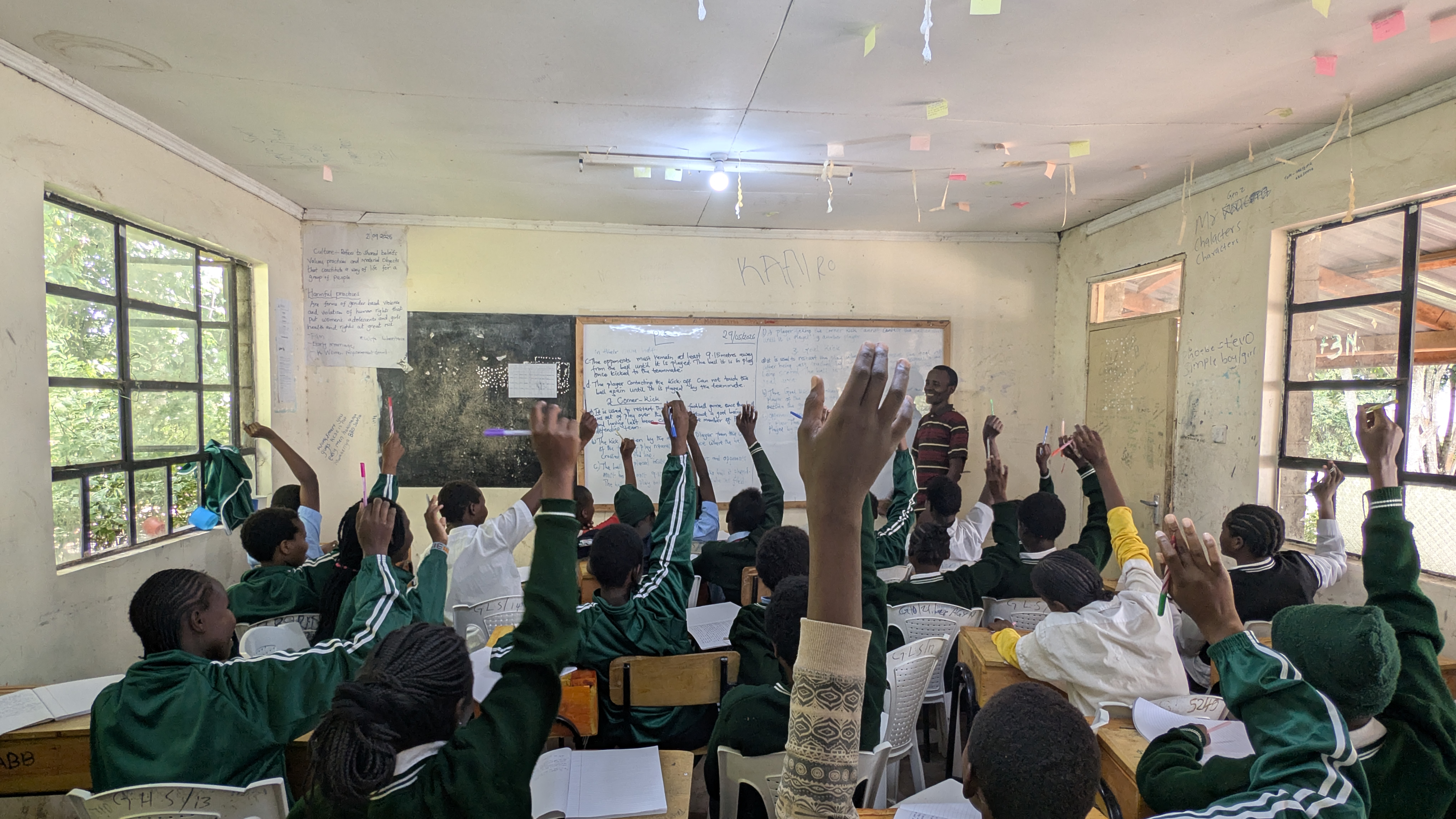
While Greenland provides one model of a supportive learning environment, Paul notes that one of its major challenges is limited capacity to accommodate learners, with demand sometimes exceeding available places. In response, the institution opened a new campus in Kilifi, Kenya’s coastal region, earlier this year.
Wairimu, 19, came to the school when her son was just a few weeks old. Today she is one of the top-performing students. “When I enrolled at Greenland, I was very worried about how the girls would treat me, or whether I would be isolated,” she says. “Then I realised that they were all like me. They had children and I didn’t need to fear.”
“When I enrolled, I was very worried about how the girls would treat me – then I realised that they were all like me”
For these young mothers, the difference between dropping out and graduating is often not down to determination, but whether someone is willing to create a space where motherhood does not mark the end of their education. “My dream is to pursue a career in computer science,” says Waimiru. “I have gone through so much rejection. But I will change my life.”
Please note: Some names have been changed to protect the participants’ identities.