
Language and community support helps young migrants build a future
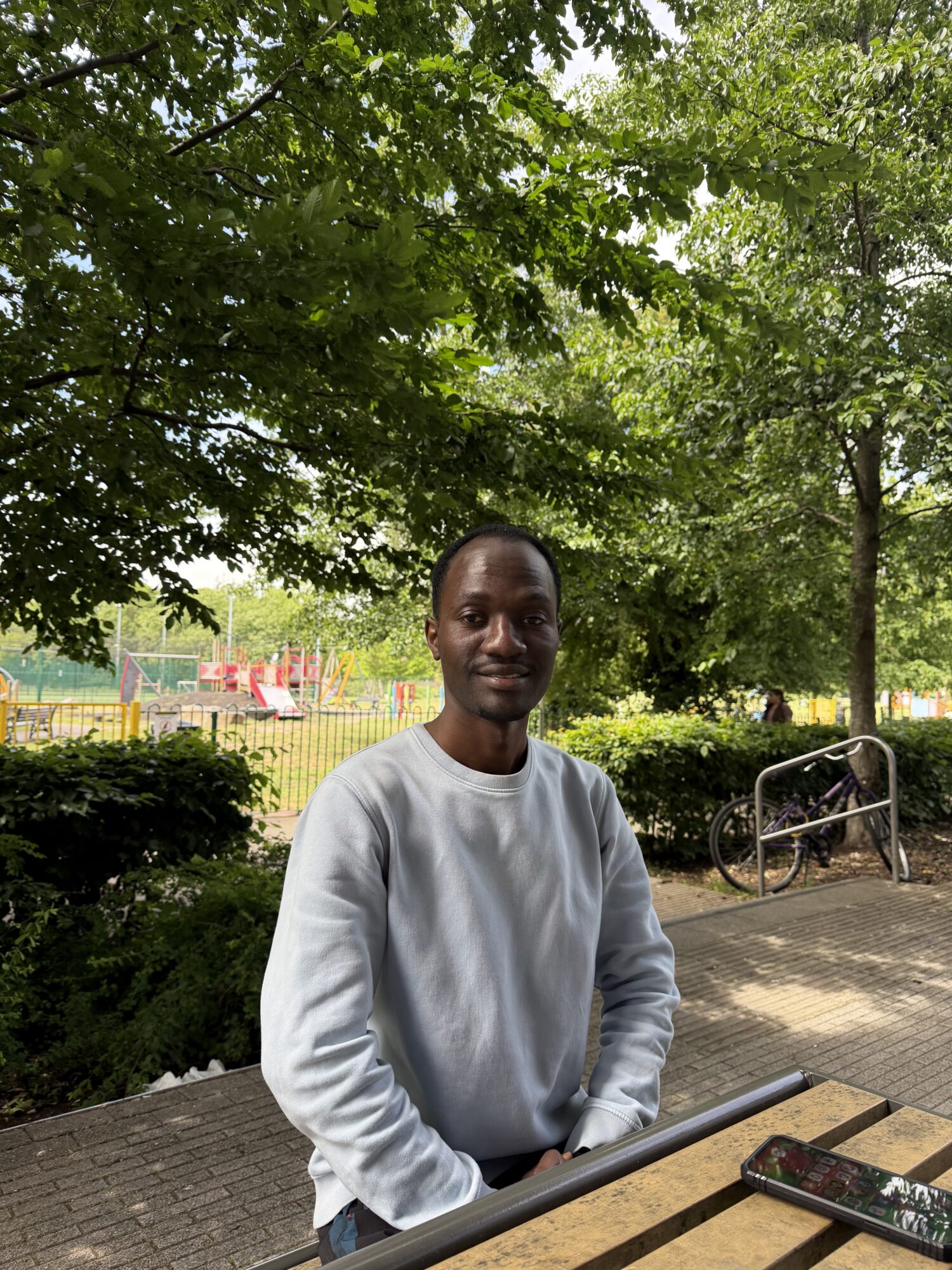
For seven weeks after arriving in England, Saber was homeless. Having left Sudan because of conflict and been separated from his family at 18, he was trying to rebuild his life in an unfamiliar country. Unable to speak English and without stable accommodation, tasks such as accessing support services, sending emails and contacting local organisations became daily challenges.
Less than a year later, Saber is studying English at college and attending classes with Learn English at Home (LEAH) in Heston, London. LEAH is a charity that supports people facing barriers to learning, helping them build language skills, confidence and community connections. LEAH helped Saber navigate life in the UK, including finding housing.
For Saber, learning English is about more than communication. “Learning English is very important to me now because I want to learn new skills and build a future here,” he said. “My dream is to become a doctor one day.” Saber now helps translate for other learners during LEAH’s enrichment sessions. Those he supports face many of the same challenges he once did.
Saber’s experience reflects a wider reality that many young migrants in the UK face. Access to education is not just about securing a place in a school, but having the language skills and confidence to participate in lessons and build relationships.
The Indoamerican Refugee and Migrant Organisation (IRMO) is a London-based charity supporting Latin American migrants through education, employment and youth initiatives. Each year, the organisation supports more than 4,000 migrants, asylum seekers and refugees. Research by IRMO found that young people experience long waits for school places, inconsistent language support, bullying and exclusion.
Anna Ciecko, Volunteer Coordinator at LEAH, believes language proficiency alone is not enough to help people settle into a new community. “Language is the first step that opens a lot of doors,” she said. “But it won’t let you into the new space. You must have confidence and belief in yourself.”
Both LEAH and IRMO provide support beyond formal education. While LEAH focuses on English language learning and navigating daily challenges, IRMO supports young people through education and youth programmes.
Providing that range of support is necessary, said Angie Gomez, Programme Manager for Children and Young People at IRMO, because there is no quick fix or shortcuts to support young migrants. She added: “The needs of young migrants are often complex and continually evolving. Many of the young people we work with are navigating multiple barriers at once, including language, unfamiliar education systems, financial pressures, immigration-related uncertainty and the social isolation that can come with settling into a new country. Building trust and providing meaningful, long-term support takes time, consistency and investment.”
“Language opens a lot of doors, but it won’t let you in – you must have confidence in yourself”
Both IRMO and LEAH said limited long-term funding restricts their capacity to offer support. They also operate in an increasingly hostile political, media and social climate towards migrants. Reform UK is currently polling strongly in national opinion polls and has proposed stricter immigration policies, reflecting the wider debate surrounding migration in the UK.
Saber has taken part in trips organised by LEAH, including visits to the British Museum and Chiswick House and Gardens. The trips helped him practise English outside the classroom and feel more connected to his community.
“These organisations operate in an increasingly hostile political, media and social climate towards migrants”
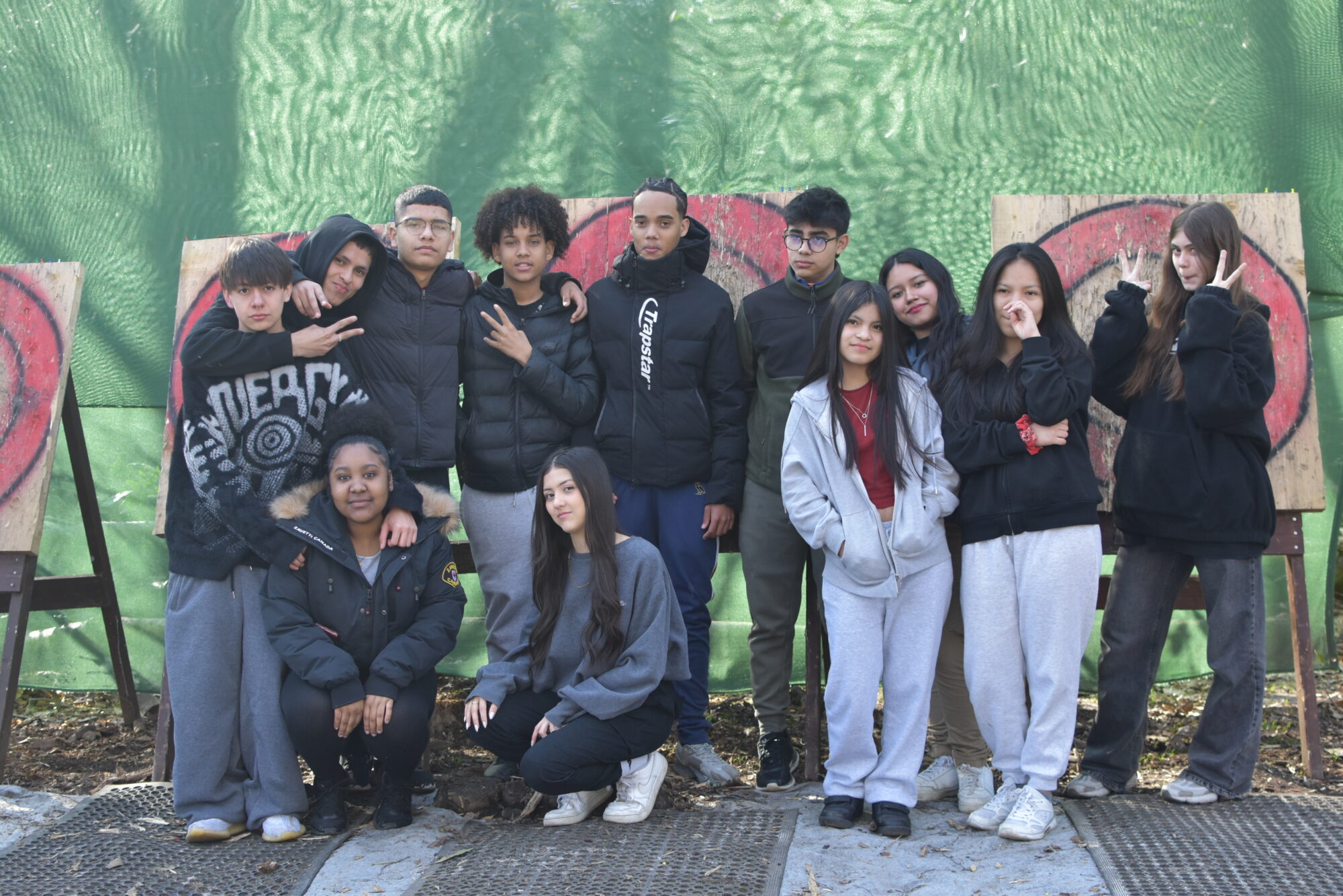
Similar challenges shaped the experience of 17-year-old Fabiola, who moved to London from El Salvador four years ago. Today she studies art, maths and literature at Lewisham College and hopes to attend university. But when she first arrived, adapting to life in London felt overwhelming.
“It’s like being born again,” she said. “A new country, new culture, new people, new language.” Communication barriers and uncertainty initially left her feeling isolated. Over time, she began to build confidence through her involvement with IRMO.
“I’ve developed a lot in my confidence,” she said. “I’m very proud of how far I’ve come.”
For Fabiola, IRMO provides a sense of safety and belonging. She described it as a place where she can step away from the pressures of school and family and feel supported by people who understand her experiences. “When I feel stressed, I think: IRMO exists,” she said. “It helps me relax.”
IRMO also supported her transition into education by contacting her college to ensure she received the help needed to continue developing her English skills. She believes IRMO opened doors to opportunities she might not otherwise have had.
“I’ve developed a lot in my confidence, I’m very proud of how far I’ve come”
Looking back, Fabiola believes many new young migrants are held back not by a lack of ability, but by fear. She encouraged young people in similar situations to keep taking opportunities even when they feel uncertain. “Don’t be scared,” she said. “Just keep going.”
Saber and Fabiola’s stories show how much can change when young migrants receive the right support. For both, language education has become more than a route to qualifications. It is a way to form connections and imagine a future in a new country. Their stories reveal that learning begins with language support, but real progress comes when young people feel they belong.
Please note: The top right hand image is provided by IRMO.