How adapted teaching can impact children with disabilities
It is 9am and the maths lesson has already begun. A little girl carefully picks up a LEGO block and adds it to a small brick tower. She picks another, then moves to the next activity. There is no pressure to keep pace with anyone else. A teacher watches closely, offering guidance when needed and stepping back when independence takes over.
For many children with autism spectrum disorder (ASD) – defined as a developmental disorder that impairs the ability to communicate and interact – such moments are not guaranteed. People learn differently, yet traditional classes are frequently designed around a single pace and standard structure.
The Nathan John Learning Center in Nakuru is testing a different approach. Designed for children aged two to six, educators adapt to fit the learner, rather than expecting the learner to fit the classroom, through individualised learning plans, visual learning supports and close collaboration with parents. Teachers monitor development closely, adjusting instruction to match each child’s strengths, areas of need, mood and readiness to learn.
“Educators adapt to fit the learner, rather than expecting the learner to fit the classroom”
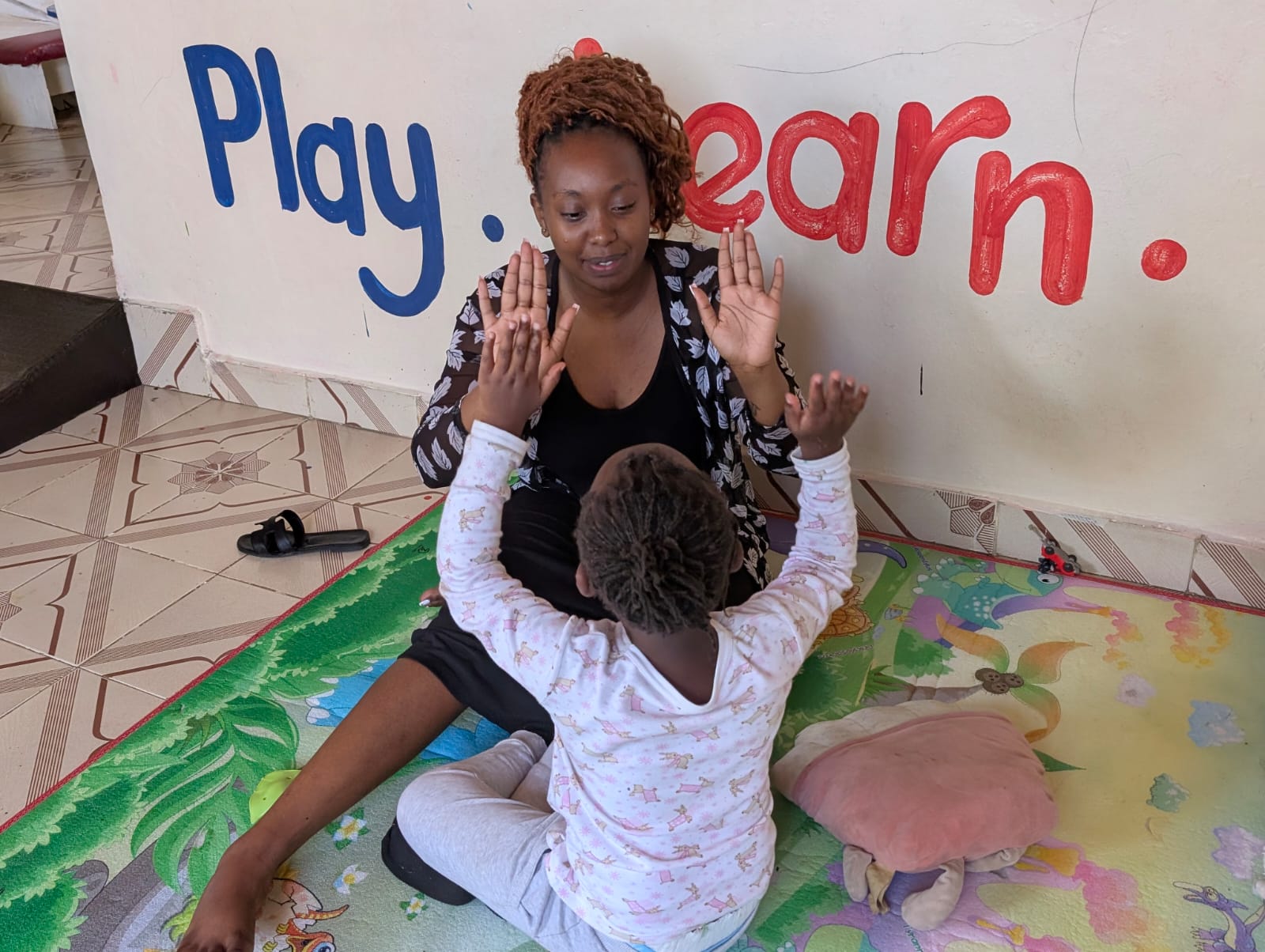
Dr Susan Kuria founded the centre in January 2026. As a firstborn child with five younger brothers, she had always found herself taking care of others. So when her four-year-old grandson had an issue with speech delay, her instincts kicked in. Dr Kuria found speech therapy services were limited, expensive and still couldn’t meet the child’s needs. “As a counselling psychologist dealing with such cases, I couldn’t just sit and do nothing,” she says.
While the Nathan John Learning Center has been running for only half a year, the progress of its students offers a glimpse into the benefits of tailored support. Farida Mohamed, whose son attends the centre, says her child is now more vocal, more active and more involved with household chores – even simple tasks he once struggled with, such as putting his shoes away in the right place.
Marvel Joy is five years old. When she joined the Nathan John Learning Centre, she could hardly move or communicate, and her family was still trying to understand her needs. Through individualised interventions such as conversations with her parents and caregivers, and increased awareness at home, significant changes followed. Marvel Joy now moves independently, engages more confidently with those around her and, as her mother describes it, has become “a bubble of joy.”
“Our learners are capable of learning,” explains Delphine Kamau, an educator and counselling psychologist at the centre. “The question is whether we are willing to teach them in a way that allows them to learn.”
“Our learners are capable of learning. The question is whether we are willing to teach them in a way that allows them to”
Stigma towards children with ASD and other different needs is still high, due to misconceptions and a lack of awareness. Parents of children with disabilities often face social rejection and tend to raise their children in hiding.
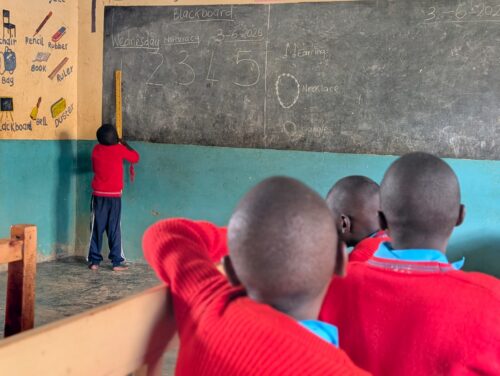
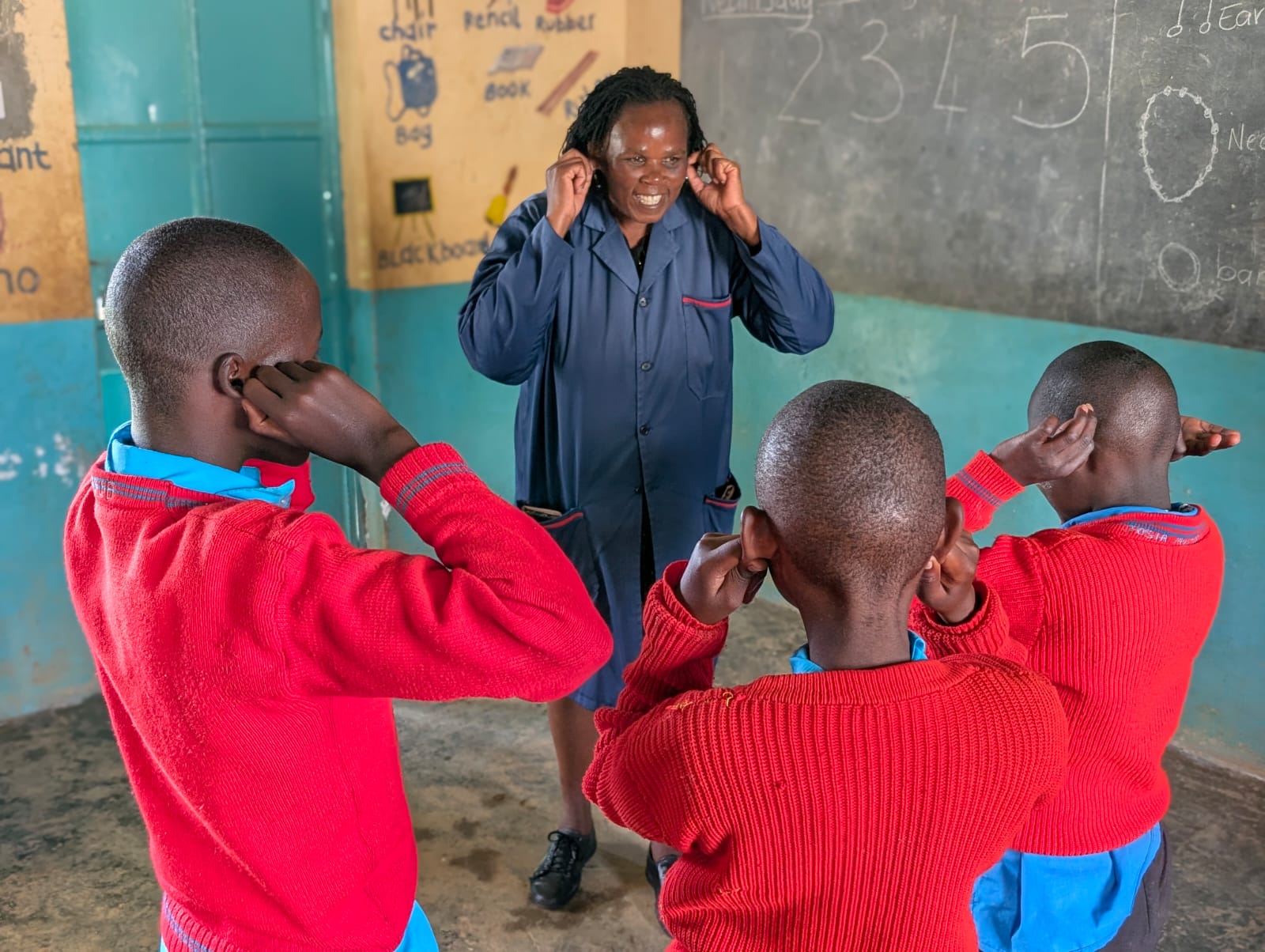
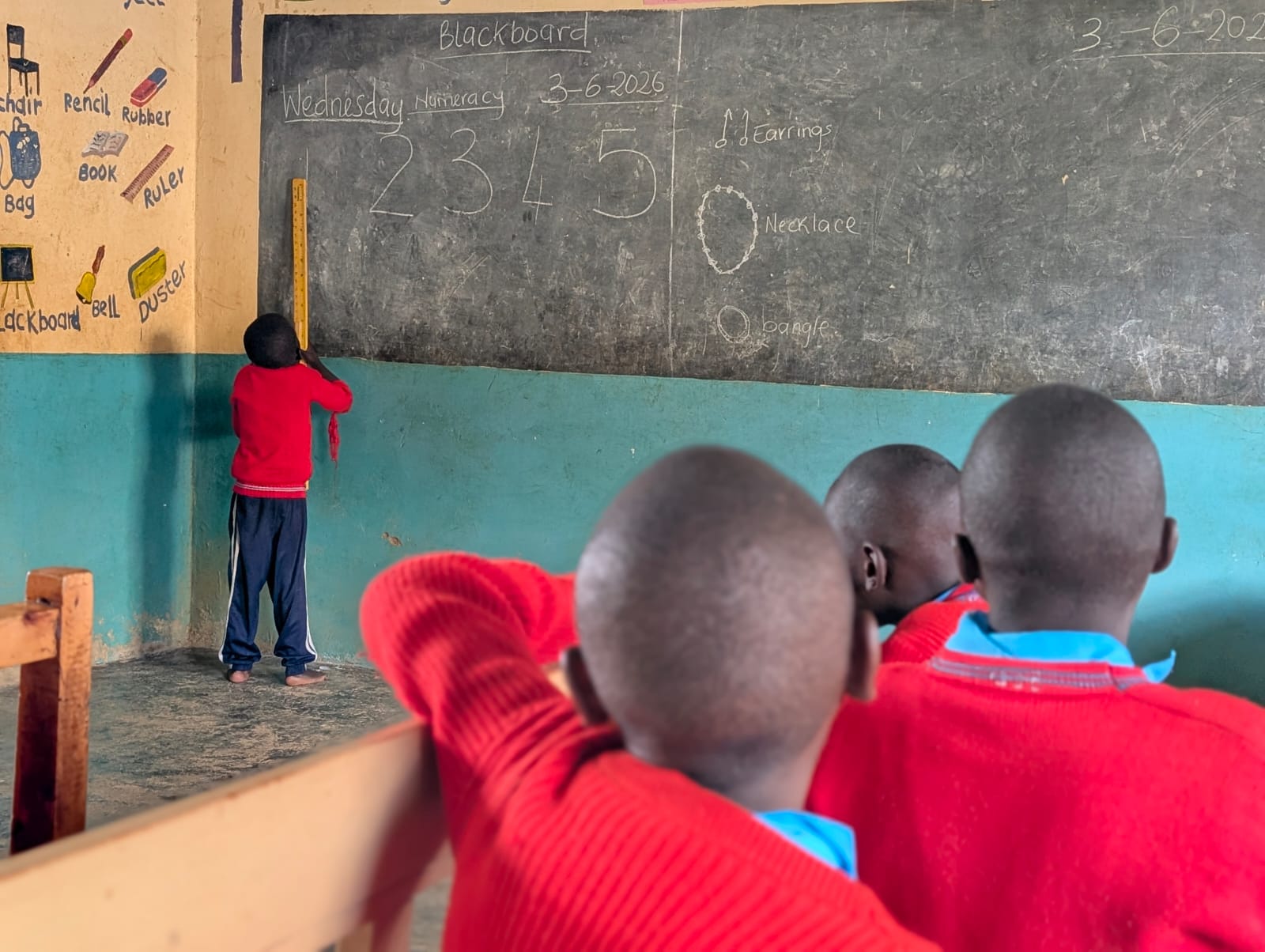
While Kenya has made progress in promoting inclusive education, implementation remains uneven. The Nathan John Learning Centre is privately owned, so parents pay a fee for the individualised service. It also provides some resources and facilities to children who are not enrolled. While at Ngarenaro Special School, a government-run primary school in Nyahururu, educators describe the reality of working with people who have autism and other learning disabilities while facing a lack of manpower, limited specialised materials and growing demand for support. “We do the best with what we have,” says Charity Mutahi, one of its teachers. Lack of inclusion can shape a person’s life over time, something staff members at L’Arche Kenya, an organisation that supports adults with learning disabilities, see firsthand. “This takes a toll on people, not only financially, but also socially and emotionally,” says Julia Wambui, the disability outreach programme coordinator, adding that we lose the opportunity to build the child’s cognitive development.
Wambui points to two adults supported by L’Arche Kenya: one who had some education and another who never attended school. The differences in communication, comprehension and independent functioning remain visible today. She shares that inclusive education matters long after a learner leaves the classroom – it is also about belonging, confidence, dignity and the opportunity to participate fully in society. She says: “When people are understood and supported early in life, it affects how they see themselves and how society sees them.”
“When people are understood and supported early in life, it affects how they see themselves and how society sees them”
Back at the Nathan John Learning Centre, a little boy picks a crayon, showing his readiness for the art class. The teacher supports him when necessary and encourages him to work independently when possible. To an outsider, it may seem like a small moment. Yet it reflects a larger idea: that every student deserves the opportunity to learn in a way that works for them. When a classroom fits the student, learning – and belonging – become possible.
Please note: Some names have been changed to protect the participants’ identities.