When the 2025 school exam season began, 15-year-old Proscovia Nakiria was no longer attending classes. Five months pregnant, the high-school student in Kumi District, north-eastern Uganda, watched her world shrink. She says some teachers sent her out of class because of her pregnancy, classmates avoided her and her home offered little comfort. As the pressure mounted, she dropped out.
Neelam is a teacher in a school in Nepal for children living with HIV. But her path here started in a hospital bed, not a classroom. She lost both her parents to HIV when she was a small child. Raised by her aunt, she grew severely weak, eventually bedridden- until a health programme came to her remote village and confirmed the worst: she also had HIV.
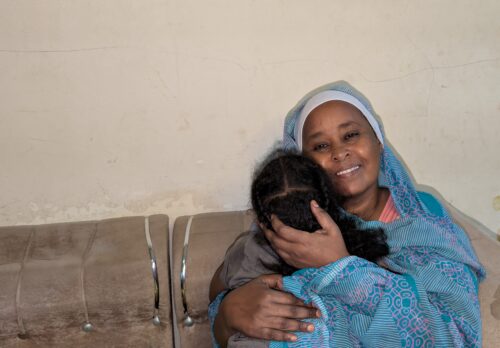
For seven weeks after arriving in England, Saber was homeless. Having left Sudan because of conflict and been separated from his family at 18, he was trying to rebuild his life in an unfamiliar country. Unable to speak English and without stable accommodation, tasks such as accessing support services, sending emails and contacting local organisations became daily challenges.
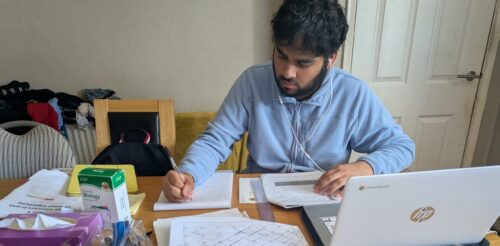
On a rainy Friday afternoon, Justin Nguyen reviews English grammar on his computer before a tutoring session with a middle school student in Birmingham, Alabama. His approach to teaching is rooted in his own experience of learning English after arriving in the US from Vietnam with his family as a child.
“If I’m not revising for exams, I feel this panic in my chest, but the panic also stops me focusing on the revision when I try and do it”. This is a typical worry shared by young people calling Childline, a UK charity focused on children’s safety and well-being. The charity sees "a spike in contacts" at the start of exam season each May, according to Cormac Nolan, Childline’s service head.
It is 9am and the maths lesson has already begun. A little girl carefully picks up a LEGO block and adds it to a small brick tower. She picks another, then moves to the next activity. There is no pressure to keep pace with anyone else. A teacher watches closely, offering guidance when needed and stepping back when independence takes over.
During the 2020 pandemic in Argentina, hundreds of thousands of schools closed and moved their activities online. But entire communities were left behind. For those already facing huge barriers in accessing education, the pandemic only made things worse. Many children had no access to a computer, a cellphone, internet or someone to help them with their schoolwork.
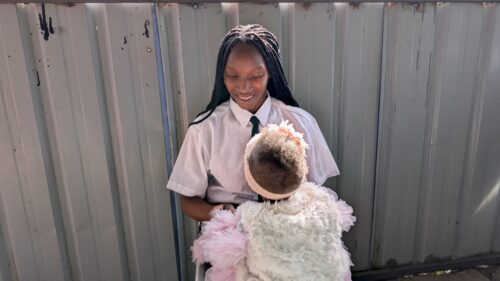
On a quiet morning at Greenland Girls School in Kajiado County, overlooking the Oloolaiser hills, teenage mothers move between classrooms and childcare duties, a routine blending two worlds rarely seen together in Kenyan schools. In one compound, infants nap and play in a supervised space while their mothers attend lessons a few metres away.
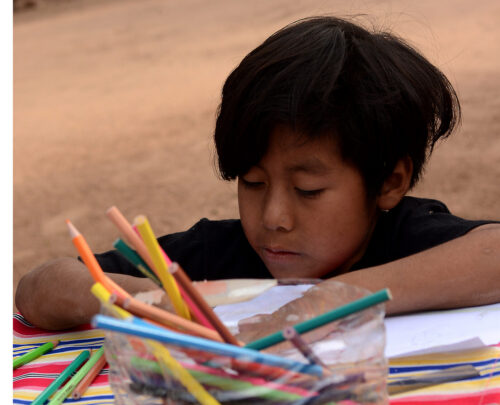
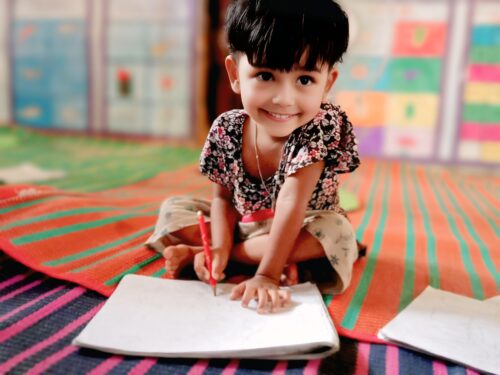
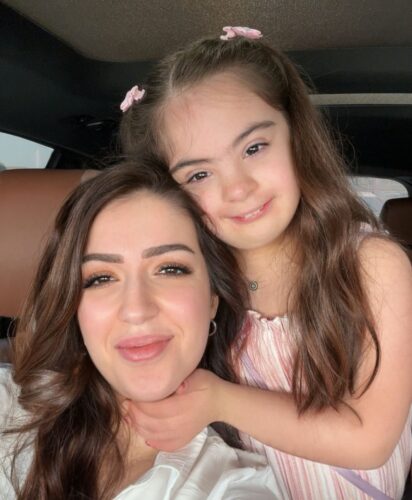
Before I tell you about a conflict, let me tell you about a laugh. It belongs to my sister Lia. It is loud and a little chaotic, the kind that spills out of her without warning and fills every corner of a room. She is six years old. She likes colouring.
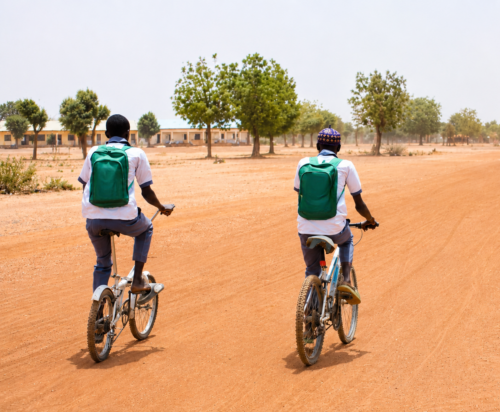
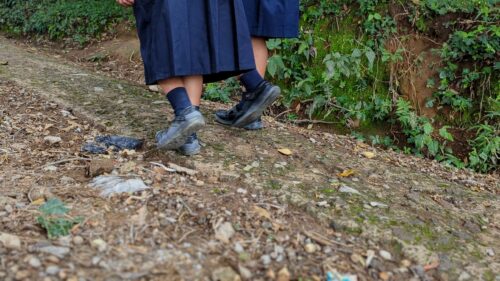
Before sunrise, Hajara Abubakar and Ramatu Mustapha begin their walk from Koda village to their school in Ingawa town. The 5km journey takes them along a dusty red road that stretches between thick clumps of trees. With their schoolbags slung over their shoulders, they walk in silence.
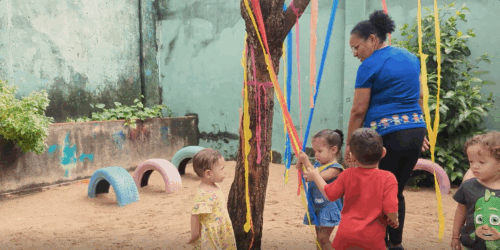
In Fortaleza, eight out of ten children living in poverty do not attend daycare. In Pirambu, the seventh largest favela in Brazil, one of the city’s first community daycares was born.
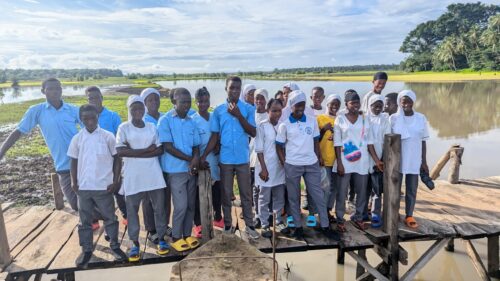
Katic Wallah is separated by a river from Gbainty Wallah, the administrative centre that hosts Kankaylay Islamic Agricultural Secondary School, the only secondary education institution for the surrounding villages. The children of Katic – around 80 in total – must cross the Gbainty-Katic River daily, a journey fraught with danger.
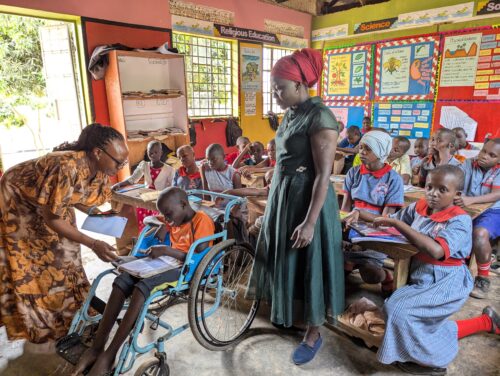
When I was 7 years old, my science teacher often stood in front of the class and imitated how I walked. As a result, my classmates would laugh at me. No one comfortably shared a seat with me or played with me. Some believed I would pass on my disability to them.
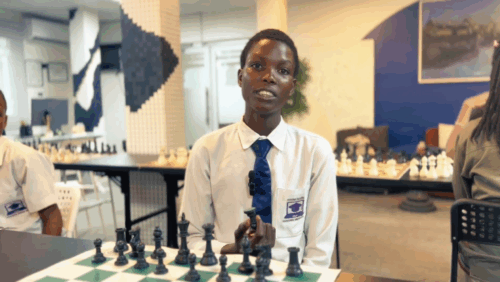
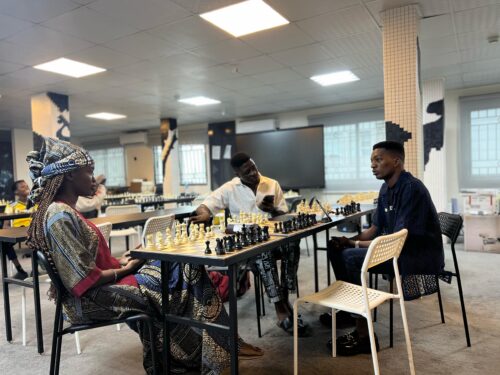
In a country where 18.3 million children are out of school, Chess in Slums Africa has engaged more than 10,000 children across the continent – using the game to open doors to education.
How Two Teachers Are Giving Hope To Rural Children
At 23 years old, Ana gets ready every morning, full of motivation to welcome her students to the computer lab. The morning mist that clings to the coffee plantations endlessly across the hillsides bears witness to the route that the children walk every day to get to El Faro school, in the community of Cañas Verdes.
For many refugee women, escaping war is only the beginning of their journey to freedom. Even after reaching safety, the struggle continues in many forms: isolation, financial hardship, cultural barriers and the emotional weight of starting life from nothing.
Our Classrooms Are Broken – But Our Dreams Are Not
“They value knowledge differently,” says Fátima, looking at her students as the rain pounds the tin roof. “Here, they don’t come just to learn. They come to change their history.”
Where I live is like a jail, but it isn’t a jail. More than one million Rohingya people live in the refugee camp in Cox’s Bazar, Bangladesh. This is the place we have called home for the past eight years.
Narin Mohammad entered motherhood in her early twenties, when she was, in her own words, a sheltered Syrian expat living in the UAE. She never left her parents’ house before marriage to venture on her own and was unaware of the journey that lay ahead of her.
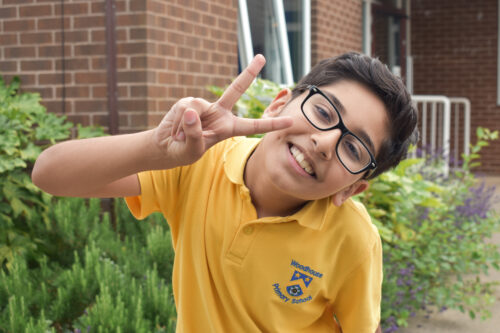
A boy in a yellow polo shirt sits quietly at a desk at the back of his classroom. During the school day, a quick “brain break” – where he takes five minutes with sensory toys and his support teacher – gives him a reprieve from the buzz of 30 classmates and his teacher’s instructions. For Umar, and thousands of students like him across the UK, this is not a luxury. It’s something he needs to be able to learn like his peers.
For seven weeks after arriving in England, Saber was homeless. Having left Sudan because of conflict and been separated from his family at 18, he was trying to rebuild his life in an unfamiliar country. Unable to speak English and without stable accommodation, tasks such as accessing support services, sending emails and contacting local organisations became daily challenges.
Neelam is a teacher in a school in Nepal for children living with HIV. But her path here started in a hospital bed, not a classroom. She lost both her parents to HIV when she was a small child. Raised by her aunt, she grew severely weak, eventually bedridden- until a health programme came to her remote village and confirmed the worst: she also had HIV.
When the 2025 school exam season began, 15-year-old Proscovia Nakiria was no longer attending classes. Five months pregnant, the high-school student in Kumi District, north-eastern Uganda, watched her world shrink. She says some teachers sent her out of class because of her pregnancy, classmates avoided her and her home offered little comfort. As the pressure mounted, she dropped out.
It is 9am and the maths lesson has already begun. A little girl carefully picks up a LEGO block and adds it to a small brick tower. She picks another, then moves to the next activity. There is no pressure to keep pace with anyone else. A teacher watches closely, offering guidance when needed and stepping back when independence takes over.
On a rainy Friday afternoon, Justin Nguyen reviews English grammar on his computer before a tutoring session with a middle school student in Birmingham, Alabama. His approach to teaching is rooted in his own experience of learning English after arriving in the US from Vietnam with his family as a child.
Youth champions share stories of hope in The Education Issue
The second edition of the Education Issue will be launched at an event coinciding with the United Nations General Assembly in New York. Two of the Global Youth Ambassadors whose work is featured - Carolina Riera from Argentina and Wajiha Mekki from the United States of America - will be there to talk about their stories.
During the 2020 pandemic in Argentina, hundreds of thousands of schools closed and moved their activities online. But entire communities were left behind. For those already facing huge barriers in accessing education, the pandemic only made things worse. Many children had no access to a computer, a cellphone, internet or someone to help them with their schoolwork.
Before sunrise, Hajara Abubakar and Ramatu Mustapha begin their walk from Koda village to their school in Ingawa town. The 5km journey takes them along a dusty red road that stretches between thick clumps of trees. With their schoolbags slung over their shoulders, they walk in silence.
On a quiet morning at Greenland Girls School in Kajiado County, overlooking the Oloolaiser hills, teenage mothers move between classrooms and childcare duties, a routine blending two worlds rarely seen together in Kenyan schools. In one compound, infants nap and play in a supervised space while their mothers attend lessons a few metres away.
“If I’m not revising for exams, I feel this panic in my chest, but the panic also stops me focusing on the revision when I try and do it”. This is a typical worry shared by young people calling Childline, a UK charity focused on children’s safety and well-being. The charity sees "a spike in contacts" at the start of exam season each May, according to Cormac Nolan, Childline’s service head.
Before I tell you about a conflict, let me tell you about a laugh. It belongs to my sister Lia. It is loud and a little chaotic, the kind that spills out of her without warning and fills every corner of a room. She is six years old. She likes colouring.
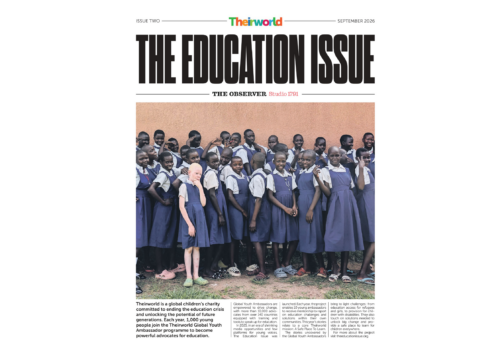
Theirworld and The Observer Studios launch The Education Issue
Global children’s charity Theirworld has worked with The Observer Studios, the content studio of The Observer newspaper, to publish the first edition of The Education Issue - an annual newspaper created by young people worldwide, reporting on education in their local communities.
A boy in a yellow polo shirt sits quietly at a desk at the back of his classroom. During the school day, a quick “brain break” – where he takes five minutes with sensory toys and his support teacher – gives him a reprieve from the buzz of 30 classmates and his teacher’s instructions. For Umar, and thousands of students like him across the UK, this is not a luxury. It’s something he needs to be able to learn like his peers.
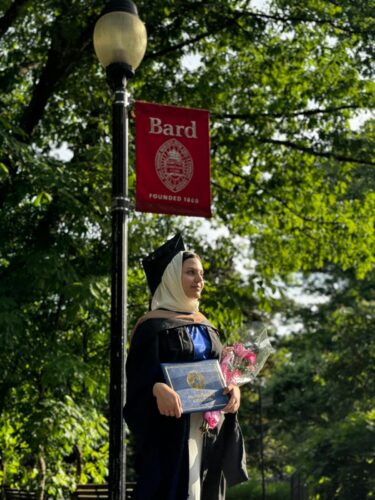
For many refugee women, escaping war is only the beginning of their journey to freedom. Even after reaching safety, the struggle continues in many forms: isolation, financial hardship, cultural barriers and the emotional weight of starting life from nothing.
When I was 7 years old, my science teacher often stood in front of the class and imitated how I walked. As a result, my classmates would laugh at me. No one comfortably shared a seat with me or played with me. Some believed I would pass on my disability to them.
Katic Wallah is separated by a river from Gbainty Wallah, the administrative centre that hosts Kankaylay Islamic Agricultural Secondary School, the only secondary education institution for the surrounding villages. The children of Katic – around 80 in total – must cross the Gbainty-Katic River daily, a journey fraught with danger.